

Research
Transposable elements as regulatory sequences
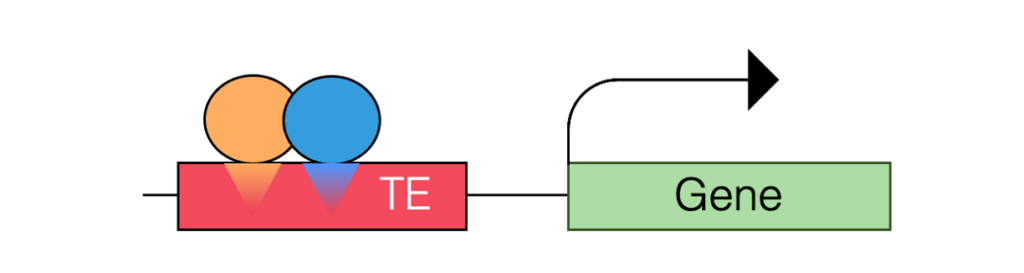
Ancient transposon sequences have the potential to regulate gene expression. This process is prominent in the placenta. Our research programme seeks to explore the regulation and function of transposons in the human placenta, and their potential role in pregnancy complications.
Our approach
We use samples of placenta from normal and complicated pregnancies to assess genetic and epigenetic changes at transposons, and conduct functional analysis of candidate regions using human trophoblast stem cells and human trophoblast organoid models. Techniques in the lab include CUT&RUN/Tag, RNA-seq and CRISPR-based genetic and epigenetic editing strategies.
Models we use
- Placenta samples from complicated pregnancies
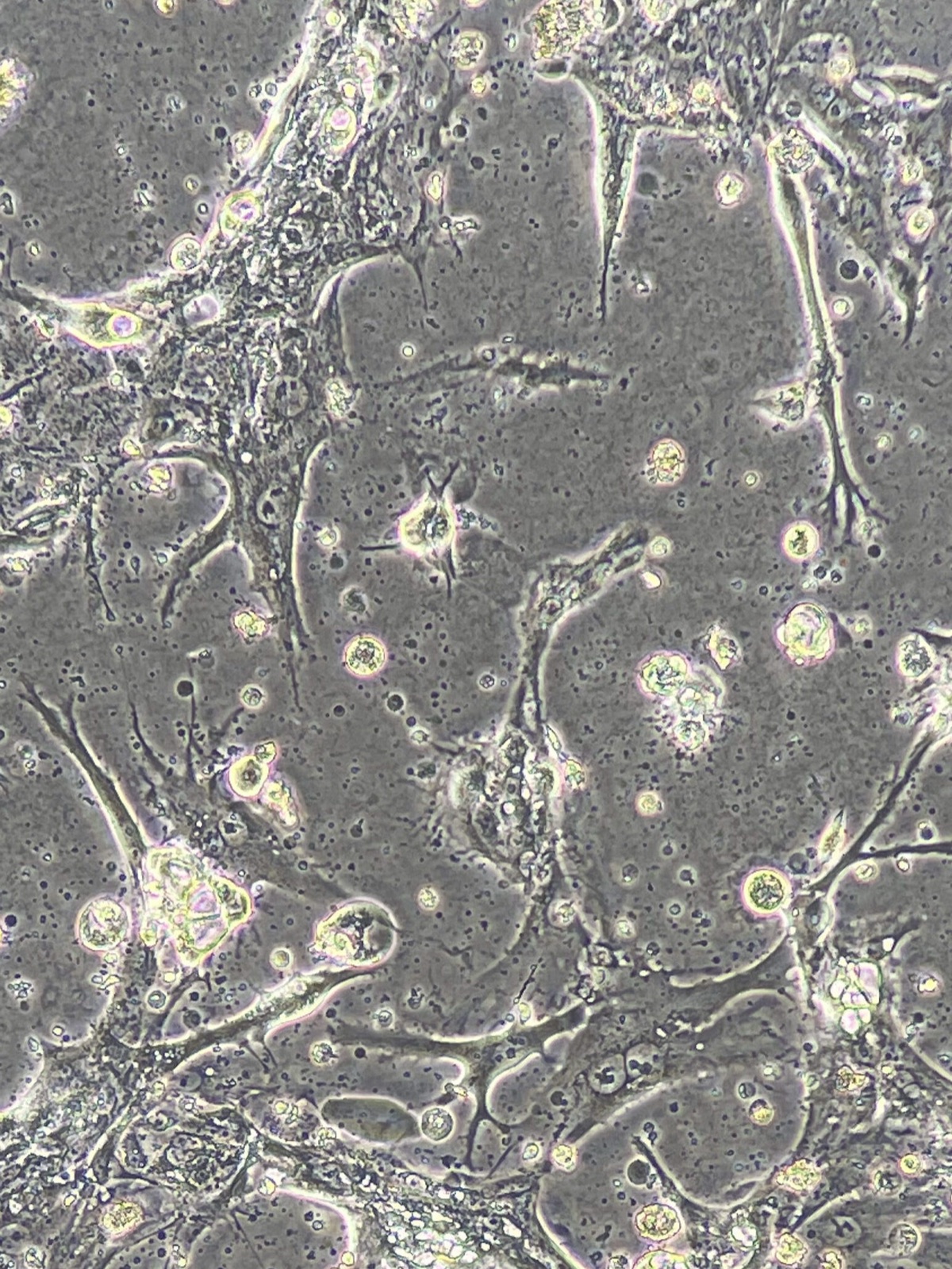
- Human trophoblast stem cells (hTSCs)
- Human trophoblast organoids
Why it matters
Pregnancy complications such as fetal growth restriction, stillbirth, spontaneous preterm birth and pre-eclampsia affect up to 20% of human pregnancies. Their underlying molecular causes remain unclear, but they are likely to share insufficient placental uterine invasion as a common factor. Understanding how transposon-derived regulatory regions shape placental gene expression may open new avenues for prediction and treatment.